Top 5 Trends Impacting Commercial Property Values in Southern California
Southern California’s commercial real estate market continues to evolve, shaped by shifting demand patterns, economic pressures, and new expectations around how people live and work. While overall activity is expected to rebound, property values across different asset types are being influenced in very different ways.
At Vestal Real Estate Valuation, we track these shifts closely because they directly affect underwriting, acquisition strategy, and long-term investment planning. Below are the five trends currently having the biggest impact on commercial property values across the region.
1. Commercial-to-Residential Conversions Are Gaining Momentum
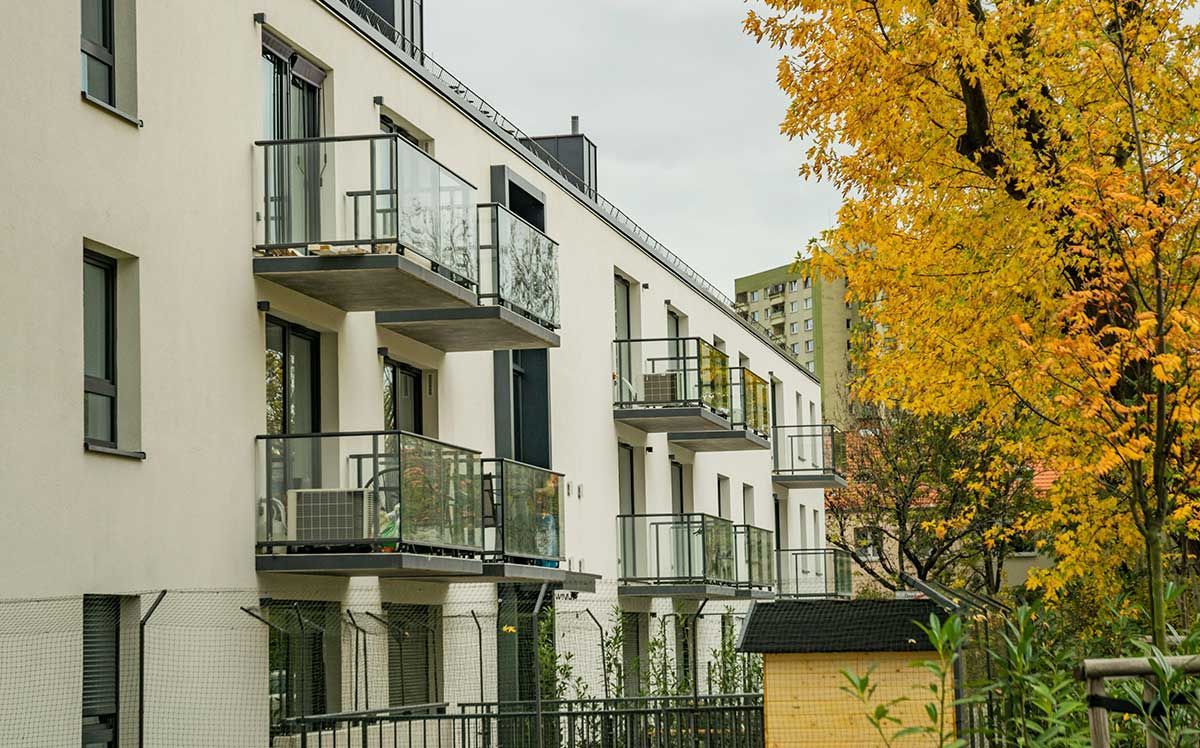
With housing demand at historic highs, more owners and cities are exploring the conversion of underutilized commercial buildings into residential units. This is especially common in areas experiencing fast population growth or where older office buildings no longer meet today’s workplace needs.
What it means for valuation:
Conversions can create new opportunities, but also introduce uncertainty. Properties with strong adaptive-reuse potential may see increased land value, while older commercial buildings in oversupplied office corridors may face downward pressure if conversion isn’t possible. Appraisers must weigh zoning, construction feasibility, and market demand to determine the highest and best use.
2. Logistics Rents Have Cooled, but Industrial Remains Strong
The industrial market has been the region’s top performer for years, marked by low vacancy and sustained tenant demand. Recently, however, logistics rents have begun to cool after a period of steep growth, signaling a shift from rapid expansion to stabilization.
What it means for valuation:
While it may look like it, this is not a downturn. The sector remains fundamentally strong. Instead, appraisers are seeing more normalized rent growth assumptions and pressure to differentiate high-performing logistics corridors (like the Inland Empire West) from those where rents are leveling out. Industrial assets with modern features, strong access, and proximity to transportation hubs remain highly competitive.
3. High Construction Costs Are Limiting New Supply
Construction costs across labor, materials, and financing have risen sharply over the past few years. For many developers, the math simply no longer works.
What it means for valuation:
When fewer new projects break ground, existing well-located properties become more valuable due to a lack of competition. This dynamic is especially visible in retail and multifamily, where replacement costs are now significantly higher than many properties’ market values. Appraisers must consider how development constraints affect long-term supply, market rent growth, and investor sentiment.
4. Multifamily and Retail Continue to Show Resilience
The multifamily market continues to benefit from strong population growth and limited housing supply. Even as rent growth moderates, the sector remains one of the most stable asset classes in the region.
Retail is also outperforming expectations. While growth is measured, certain sub-sectors (such as service-based retail and experiential concepts) are gaining traction as consumers continue to seek in-person experiences.
What it means for valuation:
Demand stability in multifamily helps support strong cap rates and predictable underwriting. For retail, property performance will depend heavily on tenant mix, nearby residential density, and integration with online commerce. Neighborhood centers and grocery-anchored centers continue to be particularly resilient.
5. Hybrid Work Is Reshaping Office Demand and Values
Hybrid work models have permanently changed how much office space tenants require. Many companies have reduced their footprints, chosen higher-quality buildings over older Class B/C properties, or switched to more flexible layouts.
What it means for valuation:
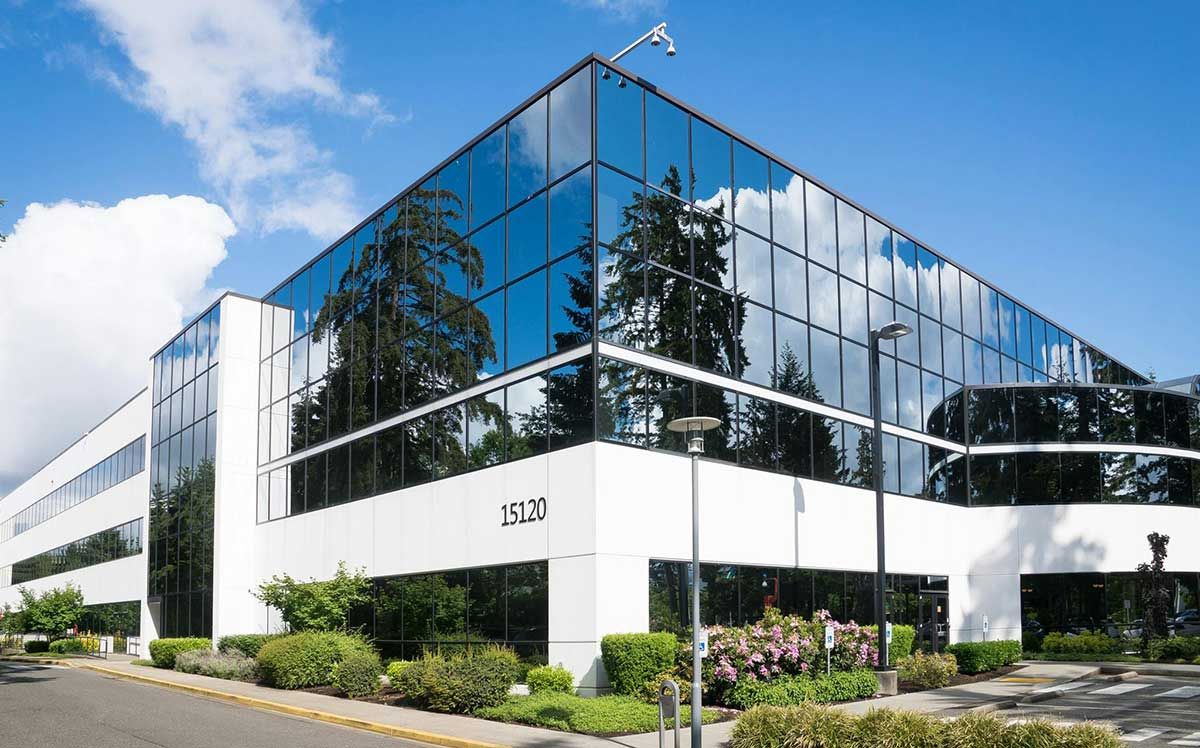
The office market remains uneven. Modern, Class A buildings in prime locations with more amenities continue to attract demand, while older, outdated properties face prolonged vacancy or downward pressure on lease rates. For some buildings, conversion to residential or alternative commercial uses may offer a more viable future. Appraisals need to incorporate changing absorption timelines, tenant preferences, and realistic long-term vacancy assumptions.
Final Thoughts
Southern California’s commercial real estate market is not moving in one direction; it’s moving in several at once. Industrial is stabilizing, multifamily remains strong, retail is holding steady, office is redefining its role, and conversions are reshaping urban corridors. For investors, lenders, and developers, understanding these nuances is essential for accurate valuations and smarter decision-making.
If you need clarity on how these trends affect your property or portfolio, Vestal Real Estate Valuation can provide a grounded, defensible assessment to support your next move.