
Commercial Real Estate Appraiser San Diego, CA — Valuation You Can Rely On

Charles Bartlett • September 18, 2026

When a commercial property represents a substantial financial interest, the value attached to it should never be based on a quick estimate or a casual comparison. Whether you are preparing for a transaction, evaluating an investment, arranging financing, handling an estate, or addressing a legal matter, the quality of the valuation can have a meaningful impact on the decisions that follow.


Vestal Real Estate Valuation provides professional Commercial Property Appraisal services for clients who need a carefully considered opinion of value and a clear understanding of the factors supporting it. We approach each assignment around the property, the market, and the specific reason the valuation is being requested, because the right appraisal begins with understanding the question that needs to be answered.


If you need a Commercial Real Estate Appraiser San Diego  property owners and professionals can contact for a valuation discussion, call (951) 634-1506  to get started.


Your Property Deserves More Than a Number


A commercial property is more than a building and a parcel of land. Its value can be influenced by location, physical characteristics, existing or potential use, income-producing capability, market conditions, comparable transactions, and circumstances surrounding the assignment. That is why professional valuation requires more than looking at a few nearby listings and arriving at a number.


A properly developed Commercial Property Appraisal considers the relevant characteristics of the property and the market evidence that can help explain its value. The purpose of the appraisal also matters because the information needed for a financing decision may differ from what is relevant to an estate matter, ownership dispute, acquisition, disposition, or another professional requirement.


At Vestal Real Estate Valuation, the focus is on developing an appraisal that is appropriate to the assignment and useful to the person relying on it. The result is intended to give you more than an estimated figure; it gives you a reasoned valuation perspective that can become part of a larger financial or professional decision.


Commercial Valuation for Decisions That Matter


There are moments when understanding a property's value is not simply helpful but necessary. You may be considering whether to acquire an asset, determining how to approach a potential sale, reviewing financing options, dividing an ownership interest, or dealing with an estate or legal matter where an independently developed value is required.


In these situations, uncertainty can become expensive. A professional appraisal can provide an independent valuation perspective based on the circumstances of the assignment and relevant market information. It can also give the parties involved a common reference point when the property's value needs to be discussed, reviewed, or documented.


Vestal Real Estate Valuation can assist with commercial valuation needs involving situations such as:

  • Commercial property purchases and potential dispositions
  • Financing and refinancing considerations
  • Investment and asset evaluation
  • Estate and inheritance matters
  • Ownership and partnership issues
  • Litigation and valuation-related disputes
  • Tax-related valuation requirements
  • Property value reviews and other professional purposes


The appropriate scope depends on the property and the intended use of the appraisal, which is why discussing your circumstances before beginning the assignment can be valuable.


A San Diego Commercial Appraisal Should Reflect the Property


Commercial real estate is not valued effectively through a one-size-fits-all formula. Two properties that appear similar from a distance may have materially different characteristics once their location, physical attributes, use, income considerations, and market circumstances are examined. A thoughtful valuation therefore begins with the property itself.


The appraisal process may involve reviewing relevant property information, researching market activity, examining comparable transactions, considering income characteristics when applicable, and evaluating other factors that can contribute to an informed opinion of value. The objective is not to make the property appear more valuable or less valuable. It is to analyze the available information objectively and develop a valuation that is appropriate for the assignment. That distinction matters when the appraisal will be relied upon by people making significant financial, business, lending, estate, or legal decisions.


Why Clients Seek Professional Commercial Appraisal Services


A commercial property owner may already have an idea of what a property is worth. An investor may have reviewed recent sales. A broker may have provided an opinion about a potential listing price. A lender may have its own requirements. Those perspectives can all serve a purpose, but they are not necessarily substitutes for an appraisal prepared for a defined valuation assignment.


A professional appraiser brings a different perspective to the process by examining the property and relevant market evidence through the lens of the specific appraisal problem. That independent analysis can be particularly useful when the valuation needs to withstand scrutiny or when several parties have different expectations about value. For many clients, the real benefit is not simply receiving a valuation figure. It is having a better understanding of the market evidence and property characteristics behind that figure.


Looking for the Best Commercial Appraiser in San Diego, CA?


When searching for the Best Commercial Appraiser in San Diego, CA, it is worth looking beyond broad claims and focusing on what the appraisal process actually provides. A professional relationship should begin with listening carefully to the purpose of the assignment, understanding the property involved, identifying the information that may be relevant, and establishing an appropriate valuation approach. Communication is equally important because clients should know what they are engaging for and what the appraisal is intended to accomplish.

Vestal Real Estate Valuation takes that assignment-focused approach seriously. Whether your need is connected to an upcoming transaction, financing, investment analysis, an estate, a dispute, or another valuation matter, the first conversation is an opportunity to explain your circumstances and determine what type of appraisal service may be appropriate.


Call Vestal Real Estate Valuation at (951) 634-1506 to discuss your commercial property and valuation needs.


The Value of an Independent Perspective

Commercial real estate decisions can involve competing opinions about price and value. A seller may have one expectation, a buyer another, and market conditions may tell a different story altogether. An independent appraisal introduces another perspective based on professional valuation analysis.


This can be especially meaningful when the parties involved need more than an informal estimate. Having a documented opinion of value can help provide structure to conversations surrounding a property and give decision-makers information they can consider alongside other financial, legal, and market factors. The appraisal does not replace your judgment or determine what you ultimately should do with your property. Instead, it provides valuation information that can help you make that decision with greater clarity.


Start With a Conversation About Your Property


You do not need to have every detail figured out before contacting Vestal Real Estate Valuation. If you know the property involved and the reason you are considering an appraisal, that is a useful place to begin. You can explain whether you are dealing with a potential sale, acquisition, financing matter, estate issue, ownership question, legal proceeding, or another circumstance where property value is important. From there, the appropriate next steps can be discussed based on the assignment. This simple first conversation can also help prevent a common problem: obtaining a valuation that does not adequately address the actual purpose for which it is needed.


Frequently Asked Questions

  1. What is a Commercial Property Appraisal?
    A Commercial Property Appraisal is a professional valuation assignment performed to develop an opinion of a property's value for a defined purpose. The analysis considers relevant property characteristics, market evidence, and other factors appropriate to the assignment rather than relying solely on automated estimates or asking prices.
  2. When should I consider hiring a Commercial Real Estate Appraiser San Diego property owners can work with?
    An appraisal may be appropriate when you need an independent opinion of value for a purchase, sale, financing, estate matter, ownership issue, litigation, investment decision, tax-related purpose, or another professional requirement. The appropriate appraisal scope depends on the circumstances, so discussing your needs beforehand is recommended.
  3. Can an appraisal help before selling a commercial property?
    It can provide an independent perspective on the property's value before you enter negotiations or make decisions concerning a potential sale. An appraisal is an opinion of value for its intended purpose and should not be treated as a guarantee of a particular sale price.
  4. Can commercial appraisal services be used for financing?
    Financing requirements differ among lenders and assignments. When a professional valuation is required or appropriate for a financing or refinancing matter, a commercial appraisal can provide an analysis of the property's value for the stated purpose.
  5. What information should I have before contacting an appraiser?
    Start with the property's address or general location, property type, and the reason you need the valuation. If available, information concerning ownership, leases, income, prior appraisals, purchase documents, or other property records may also be useful, although the specific information required will depend on the assignment.
  6. How do I request a commercial appraisal?
    Contact Vestal Real Estate Valuation at
    (951) 634-1506 and explain what you need the valuation for and what type of commercial property is involved. You can discuss the assignment and determine the appropriate next step without having to navigate the process on your own.


When the stakes are significant, assumptions can create unnecessary uncertainty. A professionally developed valuation gives you another source of information to consider as you evaluate your commercial property and determine what comes next. Vestal Real Estate Valuation provides Commercial Property Appraisal services for clients who need a careful, property-specific valuation approach and a clear understanding of the assignment. If you are searching for a Commercial Real Estate Appraiser San Diego property owners and professionals can contact, start with a conversation about your property and your valuation objective.


Call Vestal Real Estate Valuation at (951) 634-1506 today to discuss your appraisal needs and take the next step toward a well-supported understanding of your property's value.
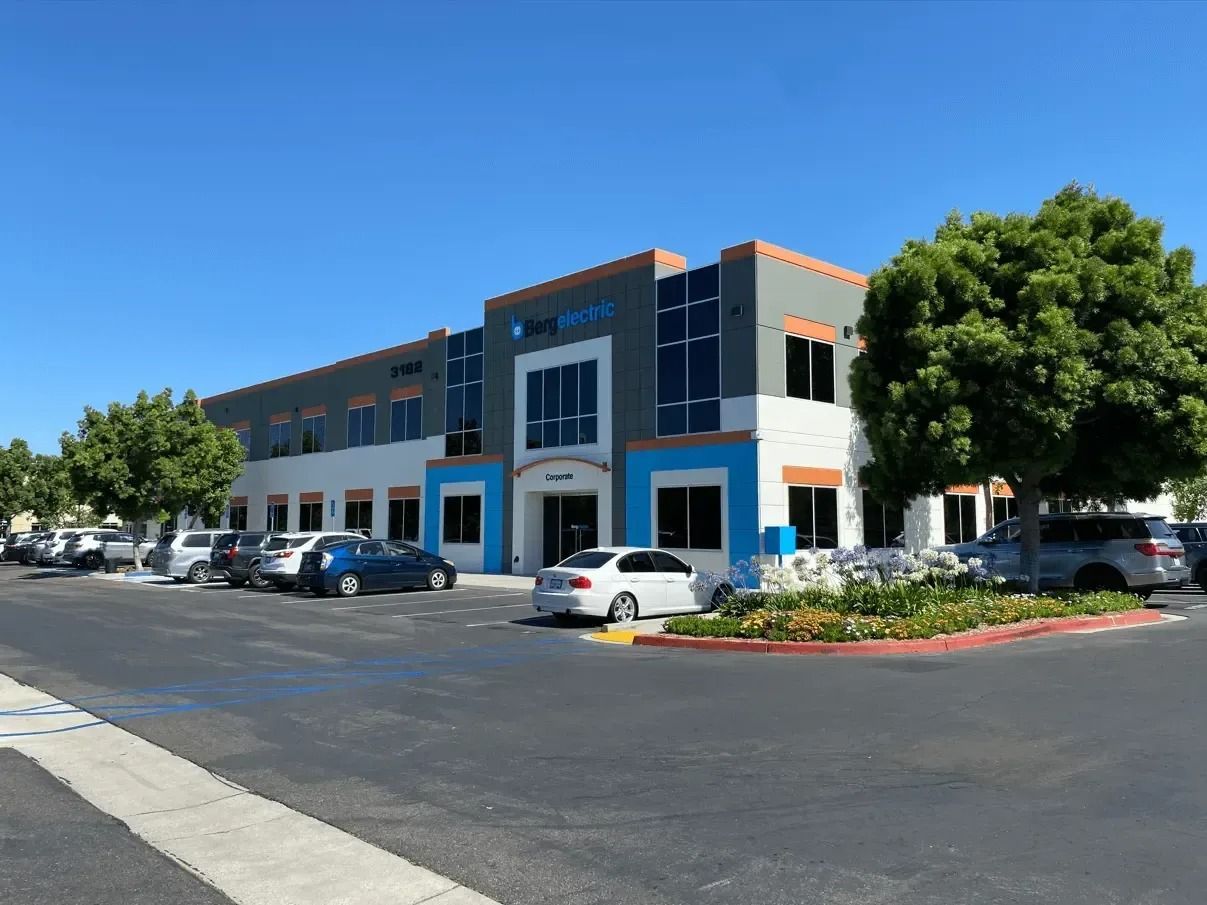

 

Commercial Property
By Jit Kr • September 16, 2026
Trusted commercial property appraiser in San Diego providing accurate valuations for investors, owners, lenders, and businesses.
By Charles Bartlett • December 23, 2025
Land development appraisals help municipalities make informed planning decisions by evaluating zoning, costs, market conditions, and highest use.
Multi-family rental building
By Charles Bartlett • December 17, 2025
From office demand shifts to industrial stabilization, discover the key trends impacting commercial property values across Southern California.
By Charles Bartlett • November 26, 2025
In Southern California’s shifting commercial real estate landscape, multifamily and mixed-use properties are still two of the most in-demand asset types. Both can be strong long-term investments, but from an appraisal perspective, they operate very differently. Understanding those differences is crucial for accurate valuation, underwriting, and decision-making. At Vestal Real Estate Valuation, we’re often brought in when lenders, brokers, and developers want a clear picture before moving forward on an acquisition or loan. In today’s environment, having the right appraisal approach can be the difference between a green-light deal and a costly misstep. Below are the major distinctions between multifamily and mixed-use valuations, explained in simple terms. 1. Income Stability vs. Income Diversity Multifamily: Apartment buildings usually produce steady, predictable income. Leases look similar across units, turnover tends to follow typical patterns, and demand for housing is generally reliable. Mixed-Use: A mixed-use building might include apartments, retail shops, and office space, each with its own type of lease, economic cycle, and risk level. Appraisers must evaluate each piece separately and then combine the results into a total value. Why it matters: Even if the property brings in strong overall income, each portion carries different risks. Ground-floor retail behaves differently from apartments above it, and lenders expect appraisals to reflect those differences. 2. Market Rent Analysis Isn’t One-Size-Fits-All Multifamily: Rent comparisons are fairly simple. Appraisers look at similar buildings with comparable amenities, layouts, and locations. Mixed-Use: Retail and office rents can vary dramatically based on foot traffic, street visibility, and tenant mix. A great residential location doesn’t automatically support strong retail rents. This means appraisers run separate rent analyses for each use type and rely heavily on hyper-local data. Why it matters: If rent assumptions are off, the income, and therefore the valuation, can be wrong, which affects loan sizing and investor expectations. 3. Expense Structures Are More Complicated in Mixed-Use Multifamily: These properties tend to have predictable operating expenses: management fees, repairs, utilities, tenant turnover, and property taxes. Costs fall within a relatively stable range. Mixed-Use: Retail and office spaces introduce a wider variety of expenses. These can include Common Area Maintenance charges, percentage rents, marketing or promotional fees, and higher Tenant Improvement allowances. Some of these costs are passed through to tenants, others are not, so the way expenses are recovered can vary from lease to lease. Retail spaces may also require different structural or mechanical features that add to annual operating costs. Why it matters: If expenses are misclassified or overlooked, it can significantly affect Net Operating Income and ultimately skew the valuation, especially when retail makes up a large share of the Gross Leasable Area. 4. Vacancy and Leasing Timelines Differ by Use Type Multifamily: Vacancy rates for apartments usually follow broader housing trends in the region. Mixed-Use: Retail and office spaces require their own vacancy and downtime estimates. Finding a new office or retail tenant can take much longer than filling an apartment, and it depends heavily on location and market conditions. Why it matters: Accurate absorption and lease-up timelines are essential for reliable valuations, especially in new developments or repositioned properties. 5. Highest and Best Use Can Be Less Straightforward Multifamily: For most apartment buildings, the highest and best use is simply to continue operating as multifamily housing. Mixed-Use: Appraisers must determine whether the current mix of uses makes sense. Sometimes the retail area is too large, outdated office space isn’t leasing, or the market would support more housing instead. Why it matters: A detailed highest-and-best-use analysis helps determine whether redesigning the layout or adjusting the use mix could increase long-term value. 6. Capitalization Rate Selection Requires Multiple Inputs Multifamily: Capitalization rates are usually well-supported by market data, lender surveys, and comparable sales. Mixed-Use: Because each use type has its own risk level, capitalization rates must be applied separately and sometimes blended. Higher risk in the retail or office portion can push the overall return requirements up, even if the apartments perform well. Why it matters: Choosing the right capitalization rate is essential for defending the valuation during financing, refinancing, or recapitalization. 7. Mixed-Use Projects Come With More Planning and Zoning Complexity Multifamily: Outside of affordability requirements or rent control, approvals tend to be more straightforward. Mixed-Use: Parking, signage, accessibility, traffic flow, zoning overlays, and other planning considerations can add layers of complexity. Appraisers must understand how these factors impact feasibility and value. Why it matters: Entitlement issues affect development timelines, costs, and lender risk, all of which influence value. Final Thoughts  As Southern California cities continue moving toward walkable, mixed-use districts, knowing how multifamily and mixed-use properties differ from an appraisal perspective is more important than ever. Both can be strong investments, but only when the valuation reflects the true behavior of each component. If you’re preparing for an acquisition, financing, or development decision, a clear and defensible valuation can give you the confidence to move forward.
November 24, 2025
In commercial real estate, time can be the difference between seizing an opportunity and being hit with a setback. Whether you’re a lender balancing multiple closings, a broker racing to finalize a deal, or a developer looking to move fast on an acquisition, one factor consistently determines momentum: the accuracy and efficiency of your appraisal.  Accurate valuations don’t just satisfy compliance; they streamline the entire transaction process. From underwriting to investor confidence, every stage of a deal moves faster when the numbers are precise and defensible. Below, we break down how a well-executed appraisal can help your next transaction close faster and with fewer roadblocks. 1. Reduce Delays in Underwriting When an appraisal is comprehensive and well-documented, lenders can move through underwriting more quickly. Reports that clearly outline methodology, comparable data, and market rationale help underwriters make decisions without requesting clarifications. In the long run, an accurate appraisal can save you days or even weeks in review time. 2. Build Confidence Across Stakeholders Every commercial real estate transaction involves multiple decision-makers, from investors to legal teams. A detailed, defensible valuation builds trust across all parties, reducing disputes and last-minute renegotiations that can stall closing. Accuracy gives everyone involved in the process the confidence they need to proceed without hesitation. 3. Minimize Revisions and Re-Appraisals Incomplete or inconsistent data often leads to re-appraisal requests, which can stall financing and jeopardize deals. Independent appraisal firms, like Vestal Real Estate Valuation, ensure that every report is audit-ready and compliant with regulatory standards. When you minimize revisions, it is much easier to keep transactions on track. 4. Support Faster Loan Approval For lenders, reliable appraisals mean fewer compliance concerns and will usually lead to much faster approvals. When a valuation is completed by a certified, experienced team that understands both market dynamics and lender requirements, risk is reduced. When there is minimal risk involved from the lender’s standpoint, the path to funding is shortened. 5. Improve Communication Between Parties Appraisers who understand the commercial real estate ecosystem can anticipate the information that lenders, brokers, and developers need most. Our approach at Vestal Real Estate Valuations prioritizes clarity and communication, ensuring each report is not only accurate but also actionable. The goal is to keep all parties aligned and informed through every step of the process. 6. Strengthen Long-Term Deal Flow When transactions move efficiently, relationships thrive. Brokers and lenders who consistently deliver smooth closings gain a competitive advantage in a crowded market. Partnering with a trusted appraisal firm helps establish that reputation, one accurate report at a time. The Bottom Line Speed doesn’t come from cutting corners; it comes from precision. In today’s competitive commercial real estate environment, accurate and defensible valuations are the foundation of faster, cleaner transactions. At Vestal Real Estate Valuation, our team combines regulatory compliance, local market expertise, and clear communication to help clients close deals with confidence and efficiency. Ready to accelerate your next transaction? Contact Vestal Real Estate Valuation to learn how accurate appraisals can streamline your deal flow.
By Charles Bartlett • October 15, 2025
In today’s competitive commercial real estate market, brokers need more than salesmanship. They need credibility. One powerful way to differentiate your services is through independent, third-party appraisals. When used strategically, they help you win listings and build lasting trust with clients. Below are six key reasons why partnering with an independent appraisal firm can give you a measurable advantage on your next property. 1. Demonstrate Objectivity and Expertise When a broker presents a property backed by a certified commercial appraisal, it shows clients you aren’t guessing. You’ve done the work and know the facts. Sellers see you as more than a salesperson; you become a trusted advisor. That objectivity can tip the decision in your favor, especially when those clients are comparing you to brokers who rely solely on gut feel or market buzz. 2. Set Realistic, Defensible Expectations Overpriced listings can languish. Underpriced ones leave money on the table. An independent appraisal provides an anchor, a defensible valuation built on market data, expense history, and property-specific details. You can guide sellers to a price that’s competitive but not disconnected from reality. That kind of balance helps you close deals faster and avoid renegotiations. 3. Strengthen Buyer & Lender Confidence When buyers or lenders see that the listing is backed by a third-party appraisal, their confidence increases. They know you’ve taken the extra step to validate assumptions. That can reduce friction in underwriting, speed due diligence, and give you leverage in negotiations. In effect, the appraisal becomes part of your credibility package. 4. Enhance Marketing Power In your listings, include a highlights sheet or summary from the appraisal. You don’t have to show the whole report, but a branded “valuation snapshot” signals that this is a transparent, well-vetted listing. Institutional buyers, out-of-market investors, or capital partners are especially drawn to listings that demonstrate thorough due diligence. 5. Minimize Risk & Protect Your Reputation Real estate is full of uncertainties, like market shifts, surprises in due diligence, or operational challenges. When you’re backed by an independent commercial appraisal, you reduce your exposure. If a client later questions your pricing or market assumptions, you have defensible documentation. That kind of protection keeps your reputation strong and your client relationships intact. 6. Build Long-Term Relationships Through Trust When clients see that you invest in transparency and rigor, you set the tone for how you conduct business. That first impression can lead to referrals, repeat engagements, and word-of-mouth credibility. Over time, brokers who consistently pair market insight with independent valuations build a reputation for integrity, and that kind of reputation is hard to beat. In summary Independent commercial appraisals aren’t just optional extras; they’re strategic tools. They help brokers position themselves as experts, gain client trust, and win more listings under conditions of market scrutiny and volatility. At Vestal Real Estate Valuation, we work hand-in-hand with brokers across Southern California to deliver accurate, defensible commercial appraisals that enhance listings and client confidence. If you’d like to explore how an independent commercial appraisal can help you stand out and close more, the conversation starts here .
By Charles Bartlett • October 15, 2025
As we move deeper into 2025, the commercial real estate (CRE) landscape is adjusting to a new normal. Not a crash, but a recalibration. While headwinds remain, select sectors are showing resilience, and the demand for defensible, audit-ready valuations has never been greater. Below are the trends we expect will define the remainder of the year, and why they should influence how lenders, municipalities, brokers, and investors think. 1. Industrial & Logistics Still in Demand Industrial and logistics properties continue to draw capital, driven by ongoing e-commerce needs, supply chain reengineering, and distribution demand. However, growth is beginning to normalize. Even in strong markets, supply is catching up, and vacancy pressure is becoming more pronounced. For those underwriting deals, the message is clear: don’t rely purely on momentum. Commercial appraisals must reflect local absorption trends, lease terms, expenses, and realistic vacancy assumptions. That’s how you keep valuations defensible, even in a cooling environment. 2. Multifamily and Retail Show Durability Multifamily remains a foundational sector in CRE, supported by demographics and housing necessity. But high interest rates and rising operating costs are testing margins, especially for older or less efficiently managed properties. Retail, which many thought would struggle further, is showing pockets of strength in necessity-based categories (grocery-anchored, service-oriented, essential retail). Still, retail assets that rely on discretionary foot traffic are vulnerable. In this environment, commercial appraisals with sensitivity analysis, i.e., testing downside scenarios, are becoming standard expectations from lenders and municipal review. 3. Office Will Continue to Polarize The office sector is unlikely to rebound to pre-COVID numbers, but it’s not dead. The clear split between "winning” and "losing" properties is growing. Class A, well-located buildings with amenities may experience small rebounds in absorption and rent, while secondary offices struggle with structural vacancy. The valuation defensibility of offices hinges on details, like lease rollover schedules, tenant credit, capitalization rate spread versus risk, and submarket dynamics. Municipalities and lenders will increasingly demand that commercial appraisals be backed by granular data, not broad assumptions. 4. Rising Costs & Inflation Are A Critical Undercurrent Inflation and rising input costs (maintenance, labor, utilities) are squeezing net operating income (NOI) margins. At the same time, risk premiums and cap rates are under pressure. These dynamics mean that the delta between optimistic underwriting and conservative valuation is smaller than before. A nuanced appraisal considers these pressures explicitly: i.e., stress-tested scenarios, capital expenditure reserves, and operating expense flexibility. When inflation is front of mind, clients expect that a commercial appraisal accounts for it thoroughly. 5. Environmental Risk, Resilience & ESG Integration Climate and environmental risk are no longer peripheral issues; they’re valuation drivers. Flood risk, energy efficiency, regulatory compliance, and readiness for climate-related disruption all start to factor into long-term value. Increasingly, banks and municipalities want to see that commercial appraisals incorporate resilience measures and ESG-adjusted inputs, not just the “classic” valuation factors. An appraiser who ignores those dimensions is leaving credibility on the table. 6. Public Sector & Municipal Collaboration Gains Importance With budget constraints, cities and counties are becoming more open to creative partnerships,public-private developments, tax-increment financing, land-sharing, and value capture strategies. These models require valuation partners early in the process to preempt conflicts and ensure defensible assessments down the line. The Implications for Valuation & Advisory Work Emphasize Compliance & Defensibility. In a market where assumptions are being scrutinized, every report must be audit-ready, well-documented, and transparent in methodology. Stress-Test & Sensitize. Commercial appraisals should include multiple scenarios, not just the “base case”,so clients (and reviewers) can see outcomes under stress. Deliver Decision Support, Not Just Value. Clients now expect more than a number. They want insight: sensitivity analyses, actionable recommendations, and forward-looking metrics. Integrate ESG & Resilience Thoughtfully. Environmental and climate risk will no longer be optional add-ons; they must be methodologically embedded. Engage Early in Municipal & Development Plans. Acting as a valuation advisor early prevents surprises later and establishes credibility in public sector projects. At Vestal Real Estate Valuation, we’re committed to delivering precise, defensible commercial appraisals that reflect these market dynamics. If you're evaluating a multi-family, industrial, retail, office, or development project anywhere in Southern California, especially within a shifting risk environment, our team is ready to partner.