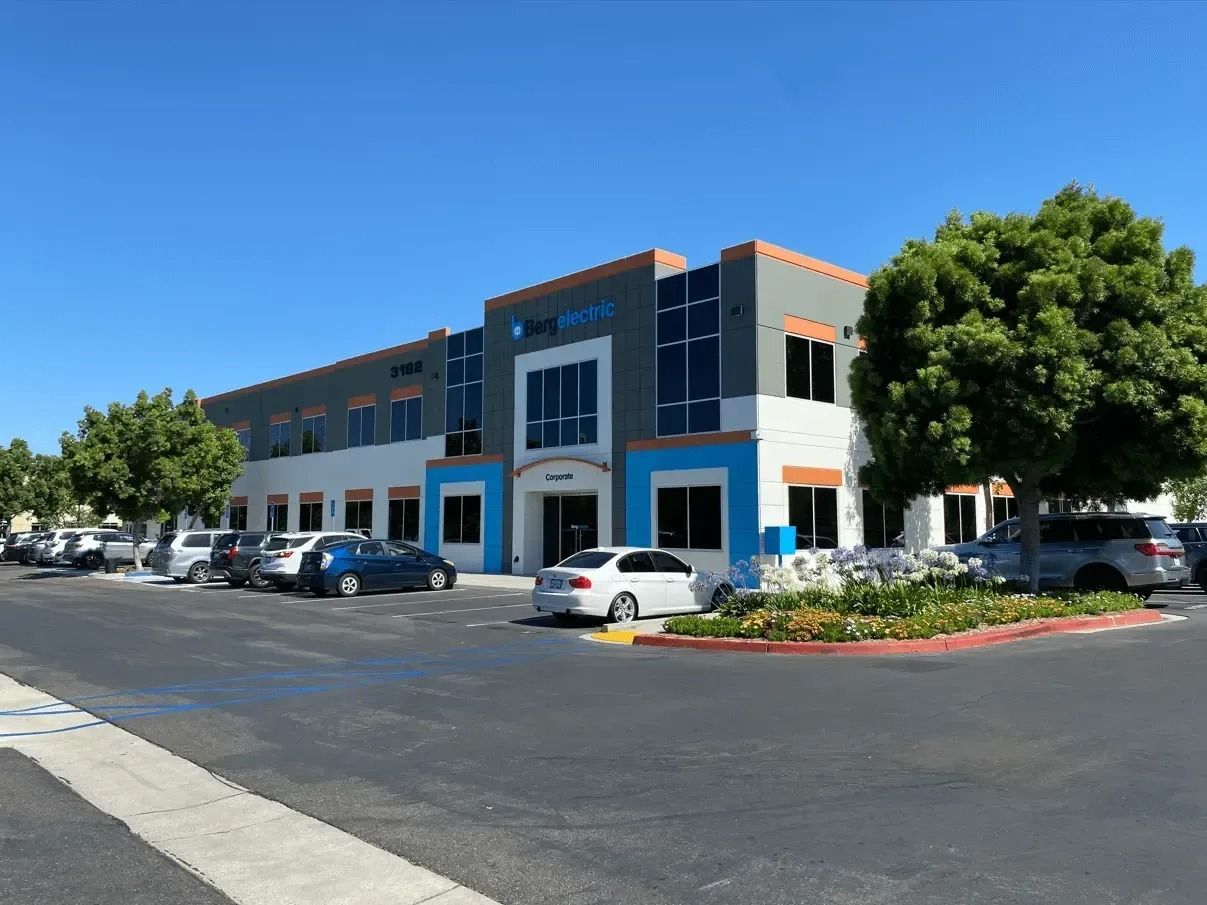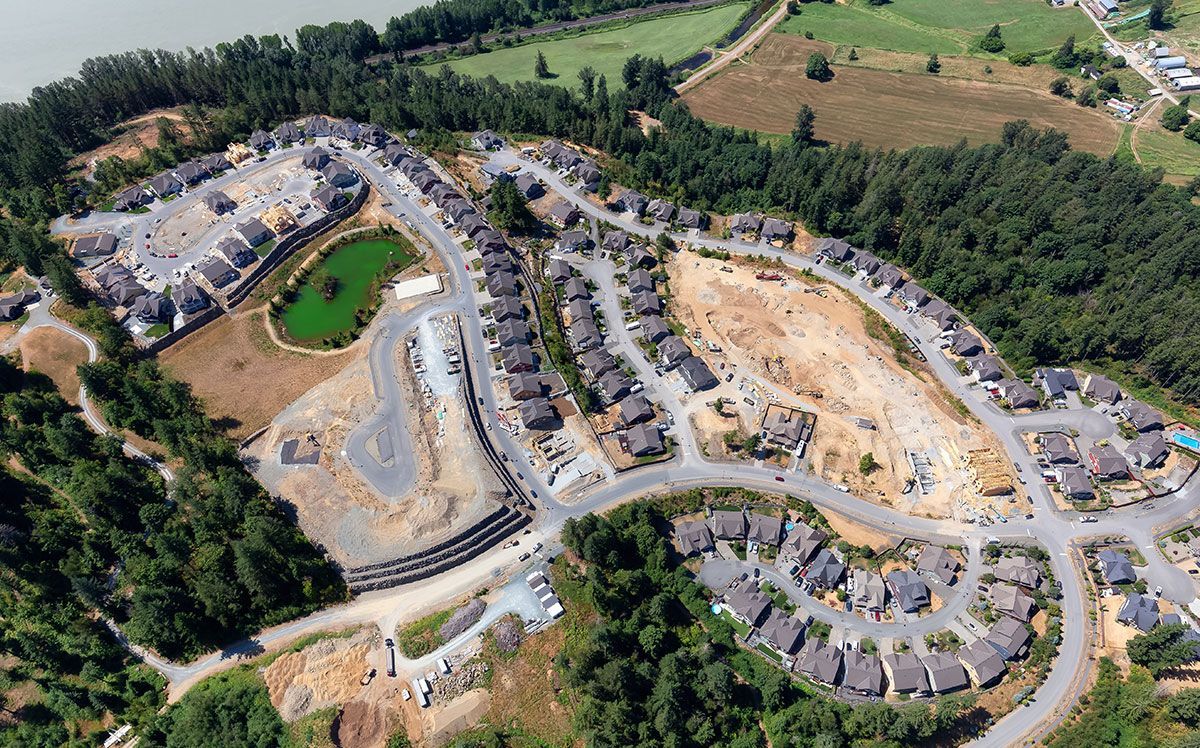
San Diego Commercial Property Appraisal Services Built to Withstand Scrutiny

Jit Kr • November 25, 2026

A commercial appraisal is rarely just a number. It is the document a lender uses to approve a loan, a partner uses to settle a buyout, a county uses to weigh a tax appeal, and an opposing attorney picks apart line by line when the stakes are high. For that reason, the strongest commercial property valuation services are judged less by the figure on the last page and more by the reasoning behind it, such as the comparable sales selected, the income assumptions tested, and the market evidence behind every adjustment. At Vestal Real Estate Valuation, we write each report so that a reader who was never in the room can follow the logic from start to finish and understand exactly why the conclusion holds.


Need a commercial appraisal you can rely on? Call Vestal Real Estate Valuation at (951) 634-1506 or complete the short form on this page to book a free scoping call and receive a written quote and timeline before any work begins.

How Commercial Property Valuation Services Build a Defensible Number

Appraisers rely on three recognized approaches to value, and the right emphasis depends on the property and the purpose of the assignment. The sales comparison approach studies recent transactions of similar properties and adjusts for differences in size, location, condition, and lease terms. The income approach converts net operating income into value through direct capitalization or a discounted cash flow analysis, which is why it carries the most weight for apartments, retail centers, office buildings, and other investment properties. The cost approach estimates land value plus the cost of rebuilding the improvements, less depreciation, and it matters most for newer or special-purpose buildings where few comparable sales exist.


A skilled appraiser does not simply run all three and average the results. The real work lies in deciding which approach buyers in that market would actually rely on, reconciling the differences, and explaining that judgment plainly. A medical office with long leases is valued by buyers primarily on its income, while an owner-occupied industrial building may be valued on what similar buildings sell for per square foot. A report that ignores that distinction can miss the mark by a wide margin.

Why San Diego Submarkets Change the Value

San Diego County is not one market but many, and an office in Kearny Mesa behaves differently from a warehouse in Otay Mesa, a retail strip in Chula Vista, or a medical building in Carlsbad. Industrial demand near the border and the Miramar corridor is driven by different factors than downtown office space, and lease rates, vacancy, cap rates, and buyer pools all shift from one submarket to the next. An appraiser who leans on county-wide averages can overlook exactly the details that matter to your property, which is why local market evidence belongs at the center of every report.

Which Appraisal Do You Need?

The purpose of the report shapes its scope, so the fastest way to start is to tell us why you need it. Most requests fall into one of these situations:

  • Financing or refinancing: We prepare reports with the lender's requirements and deadline in mind, so share those details when you call.
  • Buying or selling: An independent opinion of value helps you test pricing before you negotiate or accept an offer.
  • Partnership buyouts, estates, and trusts: A well-documented value gives every party a neutral starting point for decisions that are often personal.
  • Property tax appeals: Owners whose property has lost value since it was purchased or last reassessed, or whose income has declined, can use a supported valuation to evaluate an assessment.

Not sure which type of report fits your situation? Call (951) 634-1506 or submit the form on this page, and we will point you to the right scope during your free call.

How to Choose a Commercial Real Estate Appraiser Near Me

Searching for “commercial real estate appraiser near me” will return a long list, and the differences that matter are rarely visible on a website. Before you hire anyone, ask the following:

  • Property type experience: Has the appraiser valued properties like yours, whether multifamily, retail, industrial, office, or land, in your submarket?
  • Credentials and acceptance: Is the appraiser a California Certified General Real Estate Appraiser, and will your lender, court, or advisor accept the report for this purpose?
  • Scope of work: What is included, what is excluded, and what intended use will the report state?
  • Turnaround and communication: Who will you speak with, and what timeline is realistic for the complexity of the property?
  • Defensibility: Is the reasoning documented well enough to withstand questions from a lender, a reviewer, or the other side of a dispute?

The lowest fee can become the most expensive choice if a lender rejects the report or a reviewer sends it back for revisions, so a clear written scope and a realistic timeline are worth more than a discount.

What Happens After You Call

We keep the process transparent so you always know the next step:

  1. Free scoping call: You share the property, the purpose of the report, and your deadline.
  2. Written quote and timeline: You receive the scope, fee, and schedule before any work begins.
  3. Inspection and research: We inspect the property and analyze comparable sales, leases, and income.
  4. Report and follow-up: You receive a documented report, and we remain available to answer questions from you, your lender, or your advisors.

You do not need a complete file to begin, but a current rent roll, copies of leases, two to three years of operating statements, a recent tax bill, and the purchase contract (if you are buying) will speed the process considerably.

Frequently Asked Questions

  • How do I find a reliable commercial real estate appraiser near me?

    Look for experience with your property type and submarket, a California Certified General credential, and a clear written scope. Ask about turnaround time and whether the report will be accepted for your intended use.

  • What do commercial property valuation services cost?

    Fees depend on property type, size, complexity, and the purpose of the report. A written quote based on a short conversation about the property is the most reliable way to know the cost.

  • What makes San Diego commercial property appraisal services different from a national provider?

    Local appraisers track submarket-level lease rates, vacancy, and recent transactions that regional averages overlook, which leads to better-supported conclusions.

  • Can you meet a lender's or attorney's requirements?

    Yes. When you share the requirements and deadline at the start, we build the scope around them, which helps prevent revisions later. Our opinion of value is always independent and based on market evidence, never on a predetermined result.

  • How do I request a quote from Vestal Real Estate Valuation?

    Call (951) 634-1506 or complete the form on this page, and we will schedule your free scoping call.

Whether you are financing, buying, selling, settling a partnership, or challenging an assessment, the right valuation turns uncertainty into a decision you can defend. Call Vestal Real Estate Valuation at (951) 634-1506 or submit the form on this page today to get started with San Diego commercial property appraisal services.

Commercial Property Appraisal Cost Los Angeles
By Jit Kr • October 31, 2026
Get a commercial property valuation in Los Angeles with clear appraisal cost answers and fast turnaround. Call (951) 634-1506.
image
By Charles Bartlett • September 18, 2026
Need a commercial property appraisal in San Diego? Vestal Real Estate Valuation provides professional valuation services.
Commercial Property
By Jit Kr • September 16, 2026
Trusted commercial property appraiser in San Diego providing accurate valuations for investors, owners, lenders, and businesses.
By Charles Bartlett • December 23, 2025
Land development appraisals help municipalities make informed planning decisions by evaluating zoning, costs, market conditions, and highest use.
Multi-family rental building
By Charles Bartlett • December 17, 2025
From office demand shifts to industrial stabilization, discover the key trends impacting commercial property values across Southern California.
By Charles Bartlett • November 26, 2025
In Southern California’s shifting commercial real estate landscape, multifamily and mixed-use properties are still two of the most in-demand asset types. Both can be strong long-term investments, but from an appraisal perspective, they operate very differently. Understanding those differences is crucial for accurate valuation, underwriting, and decision-making. At Vestal Real Estate Valuation, we’re often brought in when lenders, brokers, and developers want a clear picture before moving forward on an acquisition or loan. In today’s environment, having the right appraisal approach can be the difference between a green-light deal and a costly misstep. Below are the major distinctions between multifamily and mixed-use valuations, explained in simple terms. 1. Income Stability vs. Income Diversity Multifamily: Apartment buildings usually produce steady, predictable income. Leases look similar across units, turnover tends to follow typical patterns, and demand for housing is generally reliable. Mixed-Use: A mixed-use building might include apartments, retail shops, and office space, each with its own type of lease, economic cycle, and risk level. Appraisers must evaluate each piece separately and then combine the results into a total value. Why it matters: Even if the property brings in strong overall income, each portion carries different risks. Ground-floor retail behaves differently from apartments above it, and lenders expect appraisals to reflect those differences. 2. Market Rent Analysis Isn’t One-Size-Fits-All Multifamily: Rent comparisons are fairly simple. Appraisers look at similar buildings with comparable amenities, layouts, and locations. Mixed-Use: Retail and office rents can vary dramatically based on foot traffic, street visibility, and tenant mix. A great residential location doesn’t automatically support strong retail rents. This means appraisers run separate rent analyses for each use type and rely heavily on hyper-local data. Why it matters: If rent assumptions are off, the income, and therefore the valuation, can be wrong, which affects loan sizing and investor expectations. 3. Expense Structures Are More Complicated in Mixed-Use Multifamily: These properties tend to have predictable operating expenses: management fees, repairs, utilities, tenant turnover, and property taxes. Costs fall within a relatively stable range. Mixed-Use: Retail and office spaces introduce a wider variety of expenses. These can include Common Area Maintenance charges, percentage rents, marketing or promotional fees, and higher Tenant Improvement allowances. Some of these costs are passed through to tenants, others are not, so the way expenses are recovered can vary from lease to lease. Retail spaces may also require different structural or mechanical features that add to annual operating costs. Why it matters: If expenses are misclassified or overlooked, it can significantly affect Net Operating Income and ultimately skew the valuation, especially when retail makes up a large share of the Gross Leasable Area. 4. Vacancy and Leasing Timelines Differ by Use Type Multifamily: Vacancy rates for apartments usually follow broader housing trends in the region. Mixed-Use: Retail and office spaces require their own vacancy and downtime estimates. Finding a new office or retail tenant can take much longer than filling an apartment, and it depends heavily on location and market conditions. Why it matters: Accurate absorption and lease-up timelines are essential for reliable valuations, especially in new developments or repositioned properties. 5. Highest and Best Use Can Be Less Straightforward Multifamily: For most apartment buildings, the highest and best use is simply to continue operating as multifamily housing. Mixed-Use: Appraisers must determine whether the current mix of uses makes sense. Sometimes the retail area is too large, outdated office space isn’t leasing, or the market would support more housing instead. Why it matters: A detailed highest-and-best-use analysis helps determine whether redesigning the layout or adjusting the use mix could increase long-term value. 6. Capitalization Rate Selection Requires Multiple Inputs Multifamily: Capitalization rates are usually well-supported by market data, lender surveys, and comparable sales. Mixed-Use: Because each use type has its own risk level, capitalization rates must be applied separately and sometimes blended. Higher risk in the retail or office portion can push the overall return requirements up, even if the apartments perform well. Why it matters: Choosing the right capitalization rate is essential for defending the valuation during financing, refinancing, or recapitalization. 7. Mixed-Use Projects Come With More Planning and Zoning Complexity Multifamily: Outside of affordability requirements or rent control, approvals tend to be more straightforward. Mixed-Use: Parking, signage, accessibility, traffic flow, zoning overlays, and other planning considerations can add layers of complexity. Appraisers must understand how these factors impact feasibility and value. Why it matters: Entitlement issues affect development timelines, costs, and lender risk, all of which influence value. Final Thoughts  As Southern California cities continue moving toward walkable, mixed-use districts, knowing how multifamily and mixed-use properties differ from an appraisal perspective is more important than ever. Both can be strong investments, but only when the valuation reflects the true behavior of each component. If you’re preparing for an acquisition, financing, or development decision, a clear and defensible valuation can give you the confidence to move forward.
November 24, 2025
In commercial real estate, time can be the difference between seizing an opportunity and being hit with a setback. Whether you’re a lender balancing multiple closings, a broker racing to finalize a deal, or a developer looking to move fast on an acquisition, one factor consistently determines momentum: the accuracy and efficiency of your appraisal.  Accurate valuations don’t just satisfy compliance; they streamline the entire transaction process. From underwriting to investor confidence, every stage of a deal moves faster when the numbers are precise and defensible. Below, we break down how a well-executed appraisal can help your next transaction close faster and with fewer roadblocks. 1. Reduce Delays in Underwriting When an appraisal is comprehensive and well-documented, lenders can move through underwriting more quickly. Reports that clearly outline methodology, comparable data, and market rationale help underwriters make decisions without requesting clarifications. In the long run, an accurate appraisal can save you days or even weeks in review time. 2. Build Confidence Across Stakeholders Every commercial real estate transaction involves multiple decision-makers, from investors to legal teams. A detailed, defensible valuation builds trust across all parties, reducing disputes and last-minute renegotiations that can stall closing. Accuracy gives everyone involved in the process the confidence they need to proceed without hesitation. 3. Minimize Revisions and Re-Appraisals Incomplete or inconsistent data often leads to re-appraisal requests, which can stall financing and jeopardize deals. Independent appraisal firms, like Vestal Real Estate Valuation, ensure that every report is audit-ready and compliant with regulatory standards. When you minimize revisions, it is much easier to keep transactions on track. 4. Support Faster Loan Approval For lenders, reliable appraisals mean fewer compliance concerns and will usually lead to much faster approvals. When a valuation is completed by a certified, experienced team that understands both market dynamics and lender requirements, risk is reduced. When there is minimal risk involved from the lender’s standpoint, the path to funding is shortened. 5. Improve Communication Between Parties Appraisers who understand the commercial real estate ecosystem can anticipate the information that lenders, brokers, and developers need most. Our approach at Vestal Real Estate Valuations prioritizes clarity and communication, ensuring each report is not only accurate but also actionable. The goal is to keep all parties aligned and informed through every step of the process. 6. Strengthen Long-Term Deal Flow When transactions move efficiently, relationships thrive. Brokers and lenders who consistently deliver smooth closings gain a competitive advantage in a crowded market. Partnering with a trusted appraisal firm helps establish that reputation, one accurate report at a time. The Bottom Line Speed doesn’t come from cutting corners; it comes from precision. In today’s competitive commercial real estate environment, accurate and defensible valuations are the foundation of faster, cleaner transactions. At Vestal Real Estate Valuation, our team combines regulatory compliance, local market expertise, and clear communication to help clients close deals with confidence and efficiency. Ready to accelerate your next transaction? Contact Vestal Real Estate Valuation to learn how accurate appraisals can streamline your deal flow.
By Charles Bartlett • October 15, 2025
In today’s competitive commercial real estate market, brokers need more than salesmanship. They need credibility. One powerful way to differentiate your services is through independent, third-party appraisals. When used strategically, they help you win listings and build lasting trust with clients. Below are six key reasons why partnering with an independent appraisal firm can give you a measurable advantage on your next property. 1. Demonstrate Objectivity and Expertise When a broker presents a property backed by a certified commercial appraisal, it shows clients you aren’t guessing. You’ve done the work and know the facts. Sellers see you as more than a salesperson; you become a trusted advisor. That objectivity can tip the decision in your favor, especially when those clients are comparing you to brokers who rely solely on gut feel or market buzz. 2. Set Realistic, Defensible Expectations Overpriced listings can languish. Underpriced ones leave money on the table. An independent appraisal provides an anchor, a defensible valuation built on market data, expense history, and property-specific details. You can guide sellers to a price that’s competitive but not disconnected from reality. That kind of balance helps you close deals faster and avoid renegotiations. 3. Strengthen Buyer & Lender Confidence When buyers or lenders see that the listing is backed by a third-party appraisal, their confidence increases. They know you’ve taken the extra step to validate assumptions. That can reduce friction in underwriting, speed due diligence, and give you leverage in negotiations. In effect, the appraisal becomes part of your credibility package. 4. Enhance Marketing Power In your listings, include a highlights sheet or summary from the appraisal. You don’t have to show the whole report, but a branded “valuation snapshot” signals that this is a transparent, well-vetted listing. Institutional buyers, out-of-market investors, or capital partners are especially drawn to listings that demonstrate thorough due diligence. 5. Minimize Risk & Protect Your Reputation Real estate is full of uncertainties, like market shifts, surprises in due diligence, or operational challenges. When you’re backed by an independent commercial appraisal, you reduce your exposure. If a client later questions your pricing or market assumptions, you have defensible documentation. That kind of protection keeps your reputation strong and your client relationships intact. 6. Build Long-Term Relationships Through Trust When clients see that you invest in transparency and rigor, you set the tone for how you conduct business. That first impression can lead to referrals, repeat engagements, and word-of-mouth credibility. Over time, brokers who consistently pair market insight with independent valuations build a reputation for integrity, and that kind of reputation is hard to beat. In summary Independent commercial appraisals aren’t just optional extras; they’re strategic tools. They help brokers position themselves as experts, gain client trust, and win more listings under conditions of market scrutiny and volatility. At Vestal Real Estate Valuation, we work hand-in-hand with brokers across Southern California to deliver accurate, defensible commercial appraisals that enhance listings and client confidence. If you’d like to explore how an independent commercial appraisal can help you stand out and close more, the conversation starts here .
By Charles Bartlett • October 15, 2025
As we move deeper into 2025, the commercial real estate (CRE) landscape is adjusting to a new normal. Not a crash, but a recalibration. While headwinds remain, select sectors are showing resilience, and the demand for defensible, audit-ready valuations has never been greater. Below are the trends we expect will define the remainder of the year, and why they should influence how lenders, municipalities, brokers, and investors think. 1. Industrial & Logistics Still in Demand Industrial and logistics properties continue to draw capital, driven by ongoing e-commerce needs, supply chain reengineering, and distribution demand. However, growth is beginning to normalize. Even in strong markets, supply is catching up, and vacancy pressure is becoming more pronounced. For those underwriting deals, the message is clear: don’t rely purely on momentum. Commercial appraisals must reflect local absorption trends, lease terms, expenses, and realistic vacancy assumptions. That’s how you keep valuations defensible, even in a cooling environment. 2. Multifamily and Retail Show Durability Multifamily remains a foundational sector in CRE, supported by demographics and housing necessity. But high interest rates and rising operating costs are testing margins, especially for older or less efficiently managed properties. Retail, which many thought would struggle further, is showing pockets of strength in necessity-based categories (grocery-anchored, service-oriented, essential retail). Still, retail assets that rely on discretionary foot traffic are vulnerable. In this environment, commercial appraisals with sensitivity analysis, i.e., testing downside scenarios, are becoming standard expectations from lenders and municipal review. 3. Office Will Continue to Polarize The office sector is unlikely to rebound to pre-COVID numbers, but it’s not dead. The clear split between "winning” and "losing" properties is growing. Class A, well-located buildings with amenities may experience small rebounds in absorption and rent, while secondary offices struggle with structural vacancy. The valuation defensibility of offices hinges on details, like lease rollover schedules, tenant credit, capitalization rate spread versus risk, and submarket dynamics. Municipalities and lenders will increasingly demand that commercial appraisals be backed by granular data, not broad assumptions. 4. Rising Costs & Inflation Are A Critical Undercurrent Inflation and rising input costs (maintenance, labor, utilities) are squeezing net operating income (NOI) margins. At the same time, risk premiums and cap rates are under pressure. These dynamics mean that the delta between optimistic underwriting and conservative valuation is smaller than before. A nuanced appraisal considers these pressures explicitly: i.e., stress-tested scenarios, capital expenditure reserves, and operating expense flexibility. When inflation is front of mind, clients expect that a commercial appraisal accounts for it thoroughly. 5. Environmental Risk, Resilience & ESG Integration Climate and environmental risk are no longer peripheral issues; they’re valuation drivers. Flood risk, energy efficiency, regulatory compliance, and readiness for climate-related disruption all start to factor into long-term value. Increasingly, banks and municipalities want to see that commercial appraisals incorporate resilience measures and ESG-adjusted inputs, not just the “classic” valuation factors. An appraiser who ignores those dimensions is leaving credibility on the table. 6. Public Sector & Municipal Collaboration Gains Importance With budget constraints, cities and counties are becoming more open to creative partnerships,public-private developments, tax-increment financing, land-sharing, and value capture strategies. These models require valuation partners early in the process to preempt conflicts and ensure defensible assessments down the line. The Implications for Valuation & Advisory Work Emphasize Compliance & Defensibility. In a market where assumptions are being scrutinized, every report must be audit-ready, well-documented, and transparent in methodology. Stress-Test & Sensitize. Commercial appraisals should include multiple scenarios, not just the “base case”,so clients (and reviewers) can see outcomes under stress. Deliver Decision Support, Not Just Value. Clients now expect more than a number. They want insight: sensitivity analyses, actionable recommendations, and forward-looking metrics. Integrate ESG & Resilience Thoughtfully. Environmental and climate risk will no longer be optional add-ons; they must be methodologically embedded. Engage Early in Municipal & Development Plans. Acting as a valuation advisor early prevents surprises later and establishes credibility in public sector projects. At Vestal Real Estate Valuation, we’re committed to delivering precise, defensible commercial appraisals that reflect these market dynamics. If you're evaluating a multi-family, industrial, retail, office, or development project anywhere in Southern California, especially within a shifting risk environment, our team is ready to partner.